When the IRS Has to Let Go: Levy Release Under IRC 6343
This is a subtitle for your new post

A levy feels final. It isn't.
IRC 6343(a)(1) lists situations where the IRS must release a levy. Not may. Must. And under IRC 6343(d), money the IRS has already taken can sometimes come back.
The mechanics live in IRM 5.11.2, revised August 1, 2025. Here's what matters.
When Release Is Mandatory
IRM 5.11.2.3.1 walks through the statutory conditions. The IRS must release a levy when:
- The liability is satisfied — paid in full (IRM 5.11.2.3.1.1).
- The collection statute has expired (IRM 5.11.2.3.1.2).
- Release will facilitate collection (IRM 5.11.2.3.1.3).
- The levy is creating an economic hardship (IRM 5.11.2.3.1.4).
- The property is worth more than the debt, and part of it can be released without hurting collection (IRM 5.11.2.3.1.5).
A sixth sits alongside them. An installment agreement requires release — unless the agreement itself says the levy stays (IRM 5.11.2.3.1.6).
Two more round it out. Any levy that violates the Code or regulations must be released — a levy issued while a CDP hearing is pending, for example. And a levy on a taxpayer in bankruptcy generally violates the automatic stay. The IRM directs employees to start corrective action within two workdays of learning about a potential stay violation (IRM 5.11.2.3.1(3)–(4)).
The IRM also tells revenue officers to release as soon as a condition is identified. The point is to stop payments before they arrive, so nothing has to be returned later (IRM 5.11.2.3.1(2)).
Economic Hardship: The Trigger That Does the Most Work
Hardship is where most real-world releases happen. It's also where the proof matters.
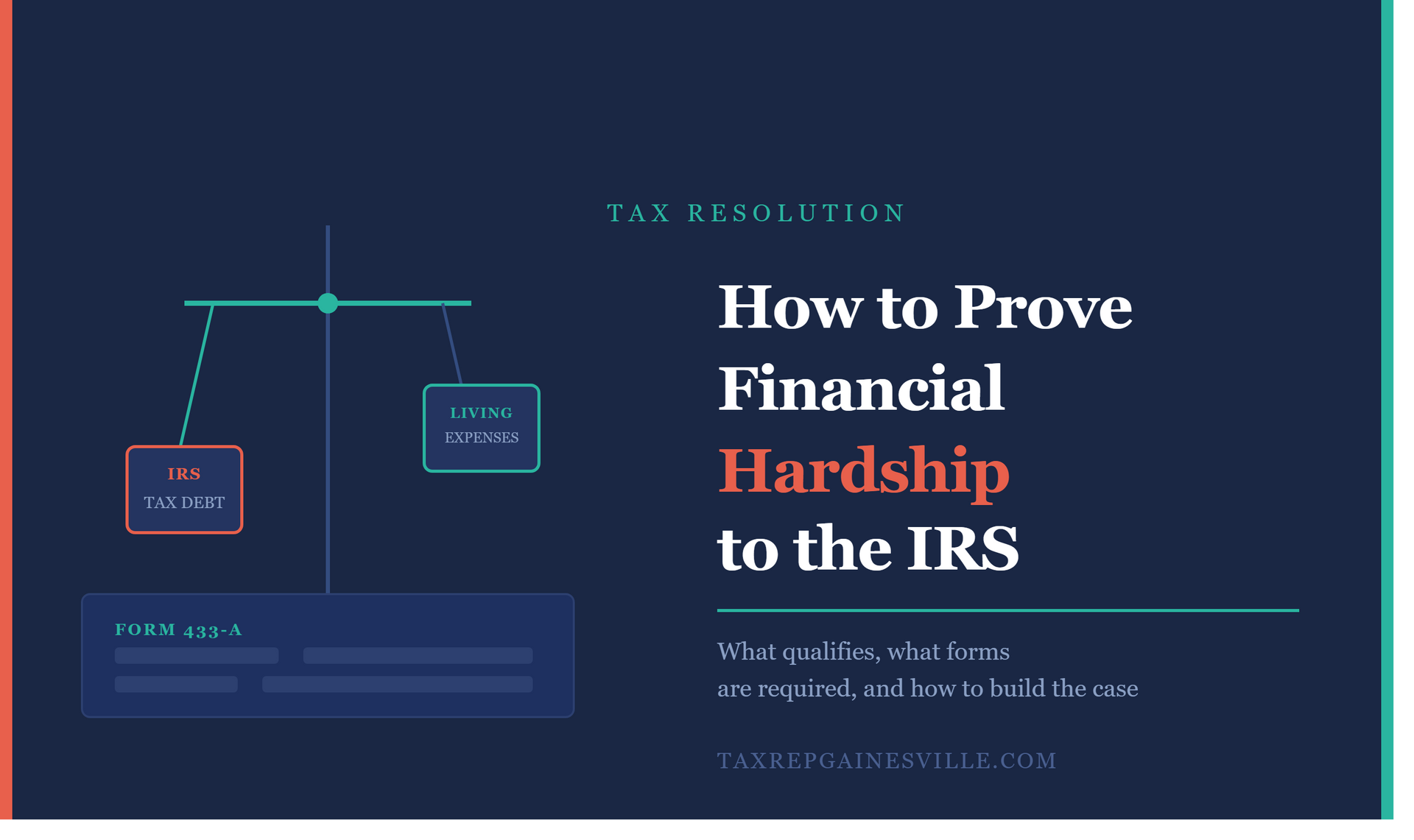
The standard: the levy leaves an individual unable to pay reasonable basic living expenses (IRM 5.11.2.3.1.4(1)). The IRS decides what's reasonable. Unique circumstances count. An affluent lifestyle doesn't.
Three points worth knowing:
- It runs on financial analysis. The IRS needs enough financial information to confirm the hardship — typically a Collection Information Statement (Form 433-A or 433-F), which can be completed by phone or correspondence. Under Treas. Reg. 301.6343-1(a), the IRS can ask for whatever documentation is reasonably necessary.
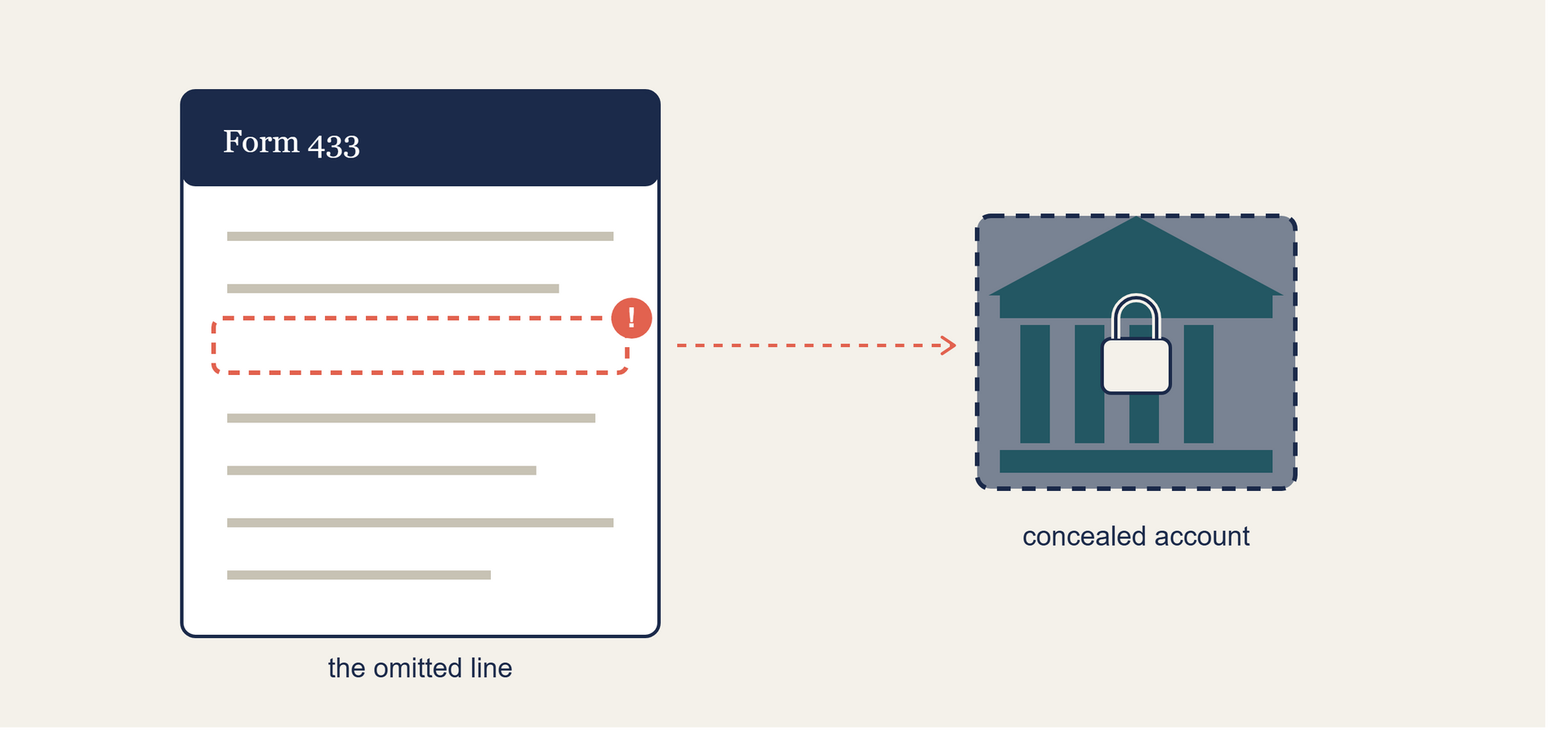
- Good faith is required. Hiding assets, inflating expenses, or falsifying numbers kills the claim (IRM 5.11.2.3.1.4(2)).
- The relief must fit the hardship. When the analysis supports it, the taxpayer has a statutory right to enough relief to end the hardship — no more, no less. That often means a partial release rather than a full one (IRM 5.11.2.3.1.4(5)).
Then there's the Caution in that same paragraph. The IRS can't refuse, delay, or shrink a hardship release to force other compliance — unfiled returns, for example. The IRM calls those separate collection issues. The returns still have to be dealt with before an installment agreement. But hardship relief can't be held hostage to them.
If the IRS denies the release, the taxpayer can appeal through the Collection Appeals Program (IRM 5.11.2.3.1.4(7)).
Partial Releases Are Real Tools
Form 668-D releases a levy in full or in part (IRM 5.11.2.3.4). The IRM's own examples show how flexible that is:
- A wage levy released below a set dollar amount, so the taxpayer keeps enough to live on.
- A wage levy set at a fixed dollar amount per paycheck, working like a payroll deduction agreement when the employer won't sign one.
- A business bank levy partially released to cover payroll, while the levy still attaches everything above that amount.
That last one matters for business clients. A bank levy doesn't have to shut down operations if the numbers are on the table fast.
Installment Agreements and the CSED
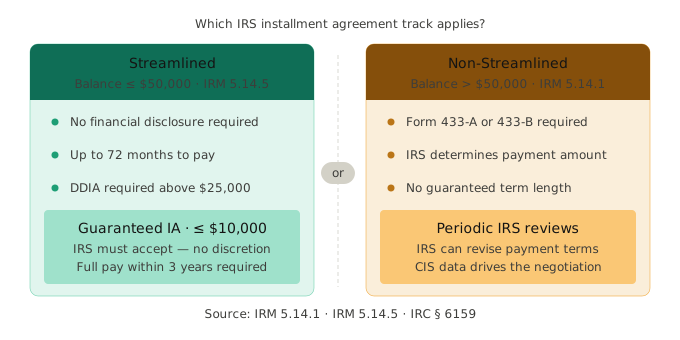
Installment agreements. An approved IA triggers mandatory release unless the agreement expressly keeps the levy in place (IRM 5.11.2.3.1.6). That term is negotiable. Watch for it.
Collection statute. A continuous wage levy has to be released when the CSED expires. But a levy served before expiration on a fixed and determinable right to future payments — a pension, Social Security — keeps attaching after the CSED. A bank levy served a week before expiration is still good, even though the bank's 21-day hold runs past the deadline (IRM 5.11.2.3.1.2).
The lesson: confirm the CSED on IRS transcripts before arguing expiration.
Getting the Money Back
Release stops future payments. Return deals with money already taken. IRM 5.11.2.4 covers it.
Mandatory return. If the levy violated the law — no CDP notice, or a levy while an offer was pending — the proceeds must be returned (Treas. Reg. 301.6343-3(d); IRM 5.11.2.4.1(3)).
Discretionary return. The IRS may return proceeds when the levy was premature or procedures weren't followed. It may also return them when an IA is entered, when return facilitates collection, or when return is in the best interest of both the taxpayer and the government (IRM 5.11.2.4.1(2), (4)).
The IRM's hardship example is the useful one. When a levy created an economic hardship from the start, returning those proceeds is generally in the government's interest. The exception: a taxpayer who ignored IRS contact before the levy without reasonable cause.
Deadline. The request must be in writing within two years of the levy date (IRM 5.11.2.4.1(5)).
Interest and penalty. No interest is paid on returned proceeds, with one exception below. But the failure-to-pay penalty and interest don't run on that money for the period the IRS held it (IRM 5.11.2.4.5–5.11.2.4.6).
Retirement accounts. Under IRC 6343(f), levied retirement funds returned as wrongful or procedurally erroneous can go back into the plan by the return due date for the year of return. It's treated as a rollover. The IRS pays interest, and any income tax triggered by the levy is abated (IRM 5.11.2.4.1.1).
A denied request comes with Letter 3975. You can appeal it through CAP, or raise it at a CDP hearing if those rights are still open (IRM 5.11.2.4.3).
Build the 433 Before the Levy Hits
Look at the IRM's own hardship examples. Both start the same way: the taxpayer missed the deadline to send a Collection Information Statement, and then the levy landed (IRM 5.11.2.3.1.4(4)).
Don't wait for that. Start the 433 when the CP504 or the Final Notice of Intent to Levy (LT11 or Letter 1058) arrives, not when the bank calls.
Pick the right form. Form 433-F for accounts in the Automated Collection System. Form 433-A when a revenue officer has the case. Form 433-B for the business, alongside the owner's 433-A.
Gather the proof up front. Recent bank statements, pay stubs or profit-and-loss statements, and proof of every significant expense: housing, vehicle payments, insurance, medical costs, court-ordered payments. Add current statements for retirement accounts and anything else of value. The IRS can require whatever documentation is reasonably necessary (Treas. Reg. 301.6343-1(a)). Have it before they ask.
Run it against the Collection Financial Standards. The IRS allows national and local standard amounts for most living expenses. Know where the client lands before the IRS does. Expenses above the standards need a reason and documentation.
Get it right the first time. Missing assets or padded expenses aren't just a credibility problem. They defeat the good-faith requirement for hardship release (IRM 5.11.2.3.1.4(2)).
Get current. For businesses, the IRM's payroll release example is conditioned on the taxpayer bringing federal tax deposits current (IRM 5.11.2.3.4(3)). Missing returns don't block hardship relief, but they do block an installment agreement.
Two payoffs. First, a finished 433 lets you request a Collection Due Process hearing within the 30-day window (IRC 6330) and propose an alternative with real numbers. Second, it protects the return of money. Returning pre-release levy proceeds is generally not in the government's interest when the taxpayer ignored IRS contact before the levy without reasonable cause (IRM 5.11.2.4.1(4)). A timely 433 is the best evidence that didn't happen.
Timing Is the Whole Game
A bank has to hold levied funds for 21 days before sending them (IRC 6332(c)). A wage levy pays out on the next payday. Those are the windows.
Get the financial analysis in front of the IRS inside that window, and the release stops the money before it moves. Miss it, and you're into the return process — discretionary, slower, and interest-free.
Why This Matters for Referral Sources
Family law attorneys. Divorce and a joint levy often collide. When the IRS levies a non-liable spouse's separate property, that's a wrongful levy under IRC 6343(b) — a different claim, with interest, also on a two-year clock (IRM 5.11.2.3.2.1). Whether a levy is wrongful, erroneous, or simply painful determines which remedy applies.
Bankruptcy attorneys. A levy after filing violates the stay, and the IRS has its own two-workday corrective clock. It also helps to know the non-bankruptcy release routes when a client isn't filing.
CPAs and preparers. Hardship release runs on the same financial analysis that drives IAs, CNC, and offers. A clean Collection Information Statement is what gets a levy released.
When the IRS denies a release or a return request, a Collection Appeal is the natural next step — a normal part of the process, not a last resort. When CAP is the right move, I take the case to Appeals. What Appeals reviews is the groundwork: the financial analysis, the IRM mechanics, and the timing.
If a client just got hit with a levy, call me at (352) 317-5692 or visit taxrepgainesville.com. The 21-day clock is already running.
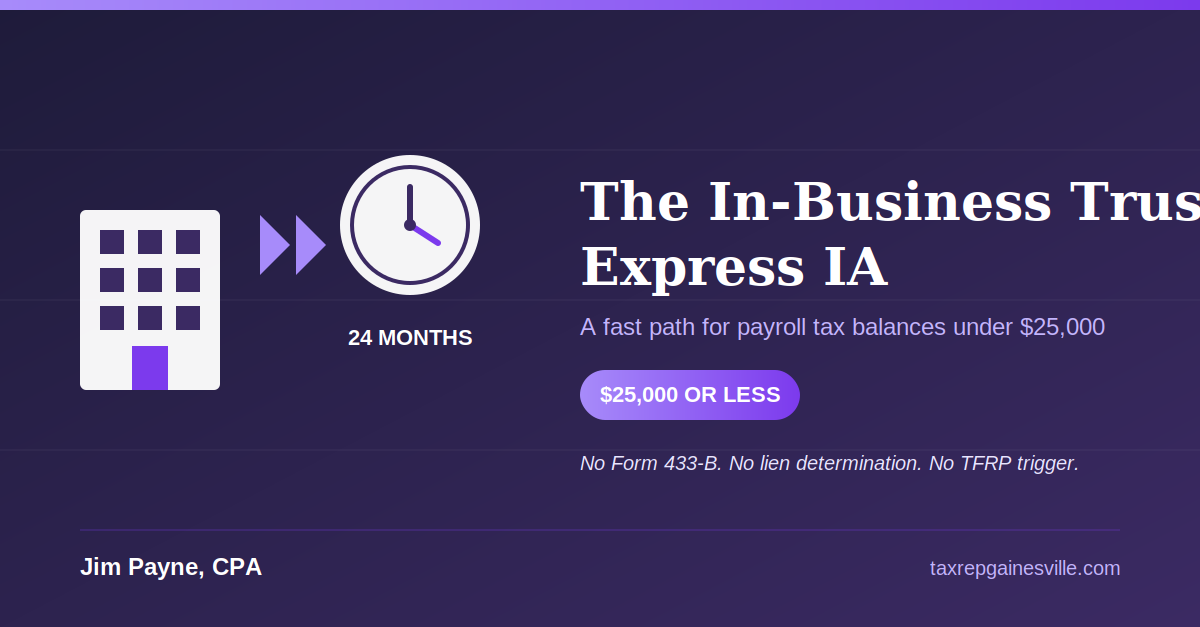
The In-Business Trust Fund Express Installment Agreement: A Fast Path for Small Payroll Tax Balances