The Partial Pay Installment Agreement: When Full Payment Before the CSED Isn't Possible
This is a subtitle for your new post

A standard installment agreement — streamlined or non-streamlined — assumes the taxpayer will eventually pay every dollar owed. The monthly payment is calibrated to accomplish exactly that within the collection window. But what happens when a client's financial situation makes full payment before the deadline mathematically impossible? When disposable income is too low to retire the balance before the Collection Statute Expiration Date, a different tool comes into play: the Partial Payment Installment Agreement, or PPIA.
The Legal Authority
The PPIA was formally authorized by the American Jobs Creation Act of 2004, which amended IRC § 6159 to permit the IRS to accept installment payments that will not fully satisfy the liability before the CSED. Prior to that statutory change, the IRS lacked clear authority to enter into agreements that would result in a balance expiring unpaid. The procedural rules governing PPIAs — how payments are calculated, when asset equity must be addressed, and how two-year reviews are conducted — are set out in IRM 5.14.2.
The CSED: The Central Variable
Everything in a PPIA analysis runs through the Collection Statute Expiration Date. Under IRC § 6502, the IRS generally has ten years from the date of assessment to collect a tax liability. Once the CSED passes, the remaining balance is extinguished, and the IRS loses the right to collect it.
The CSED is not simply ten years from the filing date. It runs from the date of assessment — which may be later than the filing date — and it can be tolled by a number of events: submission of an Offer in Compromise, a pending installment agreement request, a Collection Due Process hearing, a bankruptcy filing, and time spent outside the country, among others (IRM 5.14.2.3). Before advising any client on whether a PPIA is viable, every open assessment must be pulled, and the CSED must be calculated accurately for each. An incorrectly computed CSED can undermine the entire analysis.
How the Payment Is Calculated
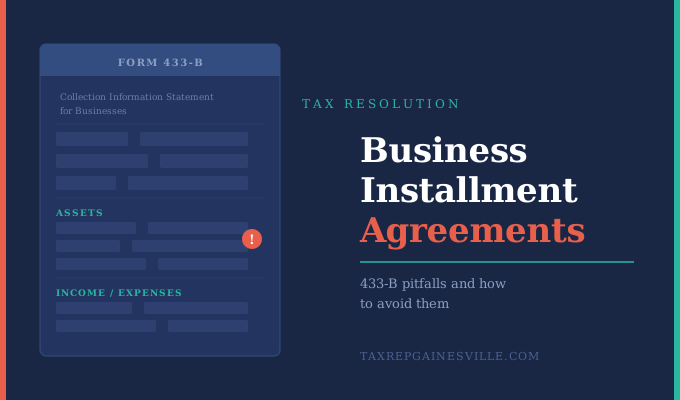
Under IRM 5.14.2.2, the PPIA payment is derived from a full financial analysis using Form 433-A for individuals or Form 433-B for businesses. The IRS applies its standard allowable expense methodology — National Standards and Local Standards under IRM 5.15.1 — to determine the taxpayer's monthly disposable income. That figure, multiplied by the number of months remaining before the earliest CSED, produces the total the IRS believes the taxpayer can pay from income over the life of the statute.
To that income-based figure, the IRS adds the realizable equity in the taxpayer's assets — after accounting for liabilities secured by those assets and a standard 20% quick-sale discount. If the combined total (income-based capacity plus asset equity) is less than the outstanding liability, a PPIA may be approved. If it equals or exceeds the liability, the taxpayer does not qualify — the math says full payment is achievable, and the IRS will require it.
Asset Equity: The Hurdle That Trips Cases
IRM 5.14.2.2 is explicit: before a PPIA may be granted, equity in assets must be addressed. This does not always mean full liquidation. The IRM acknowledges that complete utilization of equity is not always required as a condition of approval. However, the IRS will evaluate equity in real property, vehicles, bank accounts, retirement accounts, and other assets. If a client has meaningful equity that is not accounted for, the PPIA request is unlikely to be approved without a clear explanation of why that equity cannot be accessed.
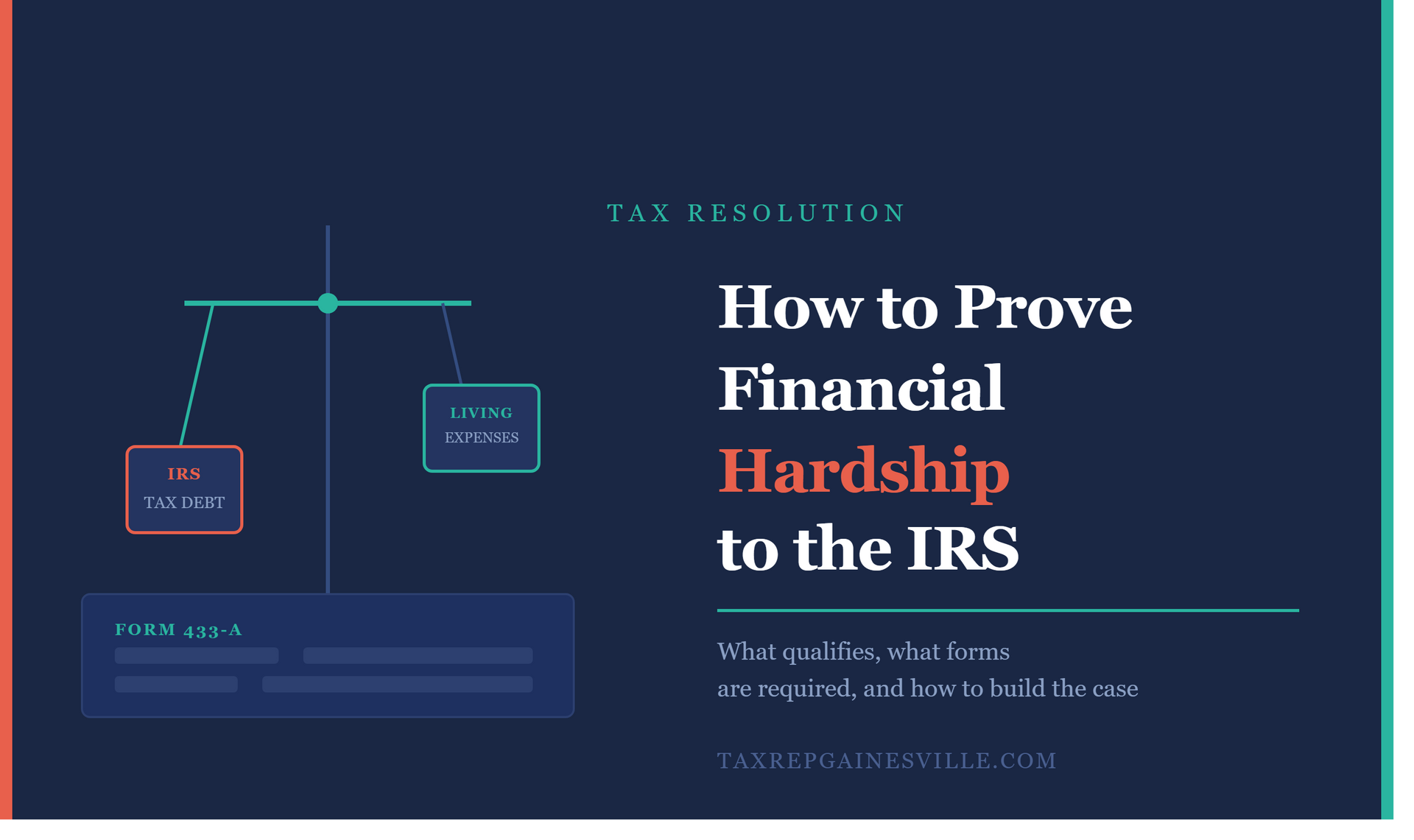
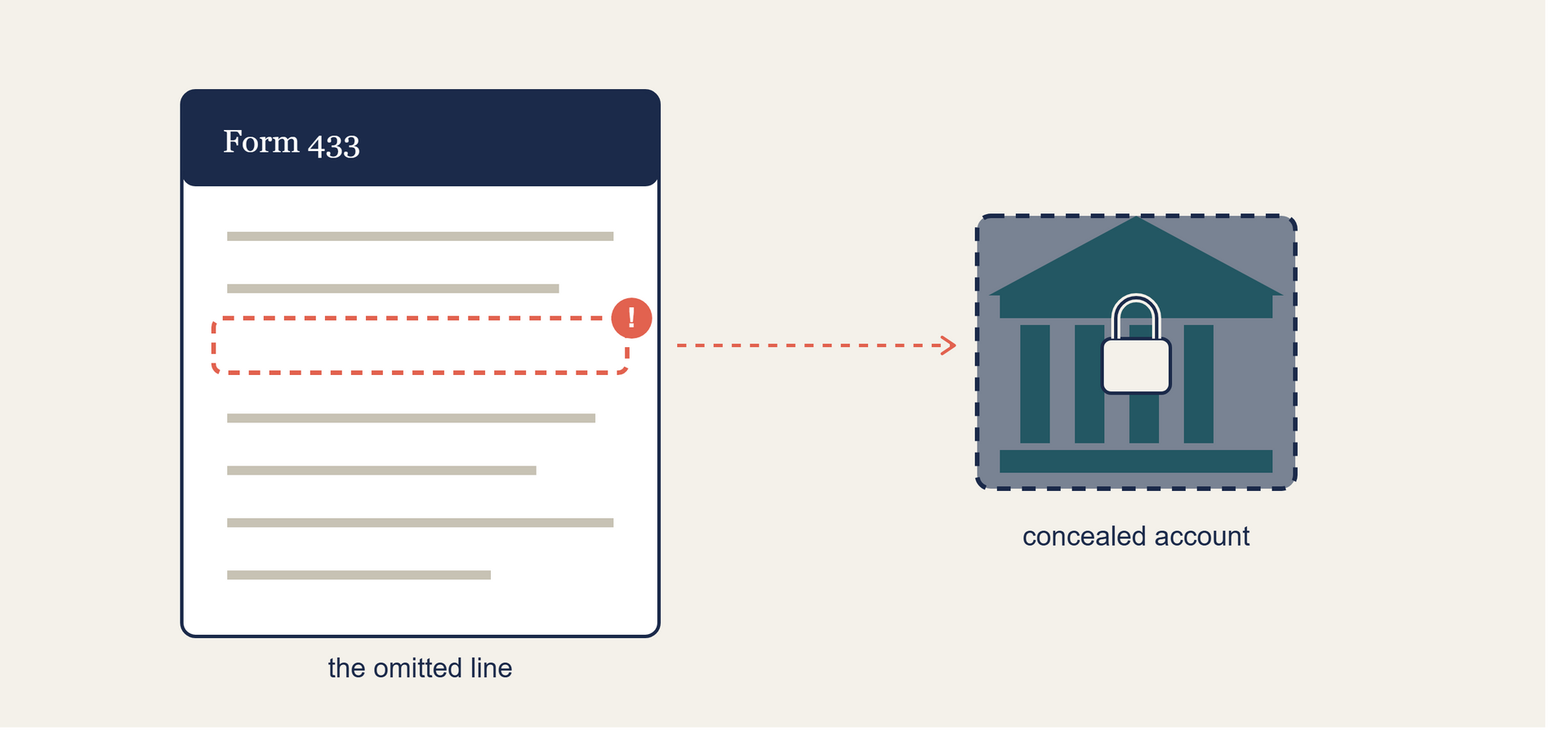
This is where thorough CIS preparation becomes decisive. Accurately documenting allowable expenses, properly reflecting secured liabilities that reduce net equity, and presenting the taxpayer's actual financial condition — rather than the version a revenue officer might construct from a surface review — requires careful, well-documented preparation of the 433-A. Sloppy financials invite IRS scrutiny and frequently result in a higher payment demand than the facts justify.
The Two-Year Review
A PPIA is not a static agreement. IRM 5.14.2.4 requires the IRS to conduct a financial review of every active PPIA approximately every two years. At that review, the revenue officer updates the financial analysis. If the taxpayer's income has increased or the equity in assets has grown, the monthly payment can be revised upward. In cases where the taxpayer's financial condition has improved substantially, the IRS may determine that the client now qualifies for a standard full-pay agreement and convert it accordingly.
This review cycle is a risk that needs to be communicated clearly to clients at the outset. The agreement that looks favorable today can look very different if income rises, other debts are paid off, or assets are acquired during the life of the agreement. Proactive monitoring — and advising the client on how to document ongoing financial changes — is part of responsible management of a PPIA case.
The Form 900 CSED Waiver: A Critical Caution
In some PPIA negotiations, the IRS will request that the taxpayer sign Form 900, a Tax Collection Waiver that extends the CSED. Under IRM 5.14.2.3, securing a Form 900 may be appropriate in certain defined circumstances — but it should never be signed without careful, independent analysis.
Extending the CSED means more months of potential collection, which changes the entire payment calculation. A client with 24 months remaining on the statute who consents to a 60-month extension can face a dramatically larger total obligation. The IRS cannot compel the taxpayer to sign Form 900 as a condition of most PPIAs, but revenue officers may request it. The practical rule: never consent to a CSED extension without getting something concrete in return. Filing an OIC to get relief from immediate enforcement is almost always a better approach.
PPIA vs. Offer in Compromise
The PPIA is frequently evaluated alongside the OIC for clients who cannot fully pay. The two tools address similar situations but work differently. An accepted OIC extinguishes the liability entirely at a defined amount and eliminates the ongoing review risk. A PPIA leaves the agreement in place and subject to revision for the life of the statute. On the other hand, the OIC carries a higher rejection rate, involves a lengthy evaluation process during which the CSED is tolled, and requires a lump-sum or periodic payment for consideration.
For clients with significant CSED time remaining and genuinely low income and asset positions, a PPIA can provide stable, predictable payments with the prospect of the remaining balance expiring. For clients for whom the OIC's reasonable collection potential calculation yields an acceptable settlement figure with a realistic chance of acceptance, the OIC may be the better long-term outcome. The two analyses are not mutually exclusive — it is worth running both before making a recommendation.
Staying Compliant
Like every installment agreement, a PPIA requires ongoing compliance: timely payments, current estimated tax deposits for self-employed taxpayers, and timely filing of all future returns. A PPIA will default on the same grounds as any other agreement under IRM 5.14.11. The consequence of a PPIA default — particularly one that triggers enforced collection late in the CSED window — can be especially damaging, because the taxpayer may have passed up other resolution options earlier in the process.
If you are evaluating whether a PPIA makes sense for a client, the analysis starts with an accurate CSED calculation and a thoroughly prepared 433-A. If the client is still deciding whether an installment agreement is the right approach at all, our earlier post on when an IRS installment agreement makes sense — and when it doesn't covers the broader comparison of resolution options.
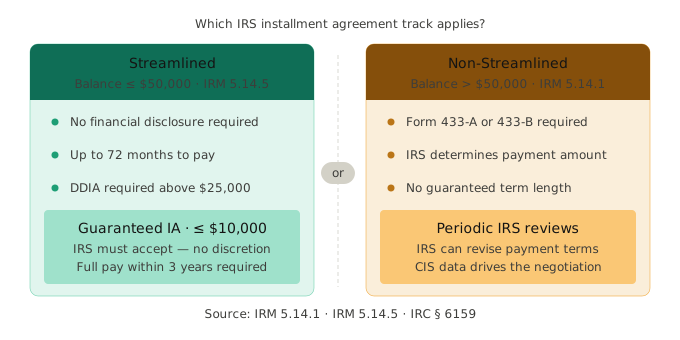
For context on how a client ends up in non-streamlined territory in the first place, see streamlined vs. non-streamlined installment agreements. And for clients already in an agreement who are at risk of falling behind, what happens when an IRS installment agreement defaults covers the next steps.
The In-Business Trust Fund Express Installment Agreement: A Fast Path for Small Payroll Tax Balances