When the Numbers Show There’s Nothing Left to Pay the IRS
This is a subtitle for your new post

He called asking about a payment plan. He owed more than he could realistically pay, but like most people in that situation, he assumed the solution was to “work something out” with the IRS and start making payments.
Before discussing options, we went through his financials. Income. Living expenses. Assets. Cash flow. At first glance, it looked like a typical case—until the numbers were put together in a structured way.
The Numbers Told a Different Story
After accounting for necessary living expenses, there was nothing left. Not less than expected. Not tight. Nothing.
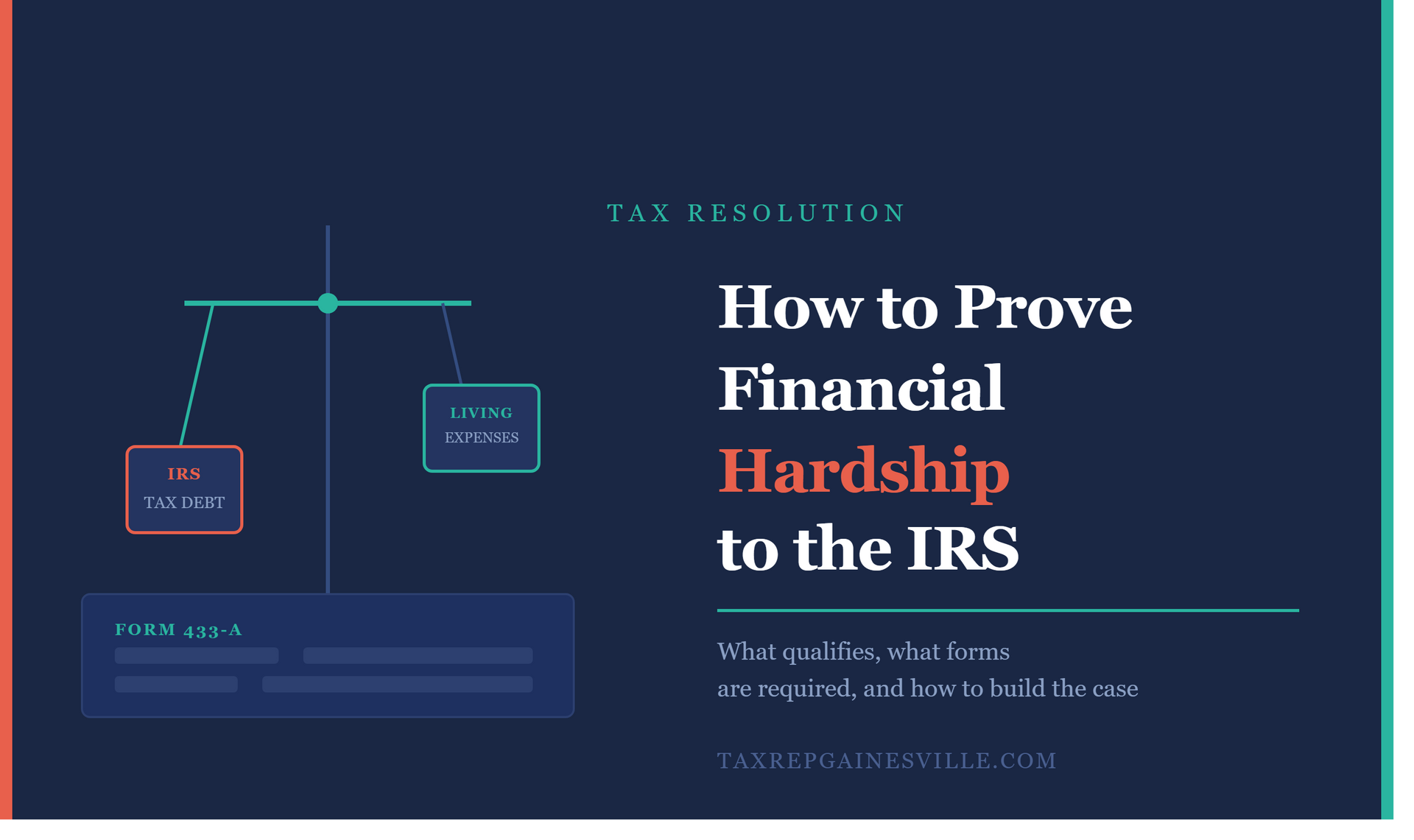
From the IRS’s perspective, that matters. The IRS evaluates cases based on ability to pay, not just the balance owed. If there is no remaining income after allowable expenses, there may be no basis to require monthly payments.
This is where the concept of Currently Not Collectible (CNC) status comes into play.
What “Currently Not Collectible” Means
When a case is placed in CNC status, the IRS does not forgive the debt. Instead, the IRS is acknowledging that, based on the taxpayer’s current financial condition, collection is not possible at that time.
Collection activity is generally suspended. Levies are typically not pursued. The case remains open, but inactive from an enforcement standpoint. This is not a negotiation. It is a determination based on financial reality.
Why Financial Analysis Comes First
Without a clear understanding of income and allowable expenses, it would have been easy to move forward with a payment plan. That happens often. But a payment plan that the numbers cannot support usually leads to default—and puts the taxpayer back in the same position, often after months of stress and missed payments.
In this case, the financial analysis showed that no payment plan was appropriate.
A Different Outcome Than Expected
The expectation going into the call was simple: set up a payment plan and move forward.
The outcome was different. The numbers showed that there was nothing available to pay the IRS at that time. Based on that, the case could be approached differently—without forcing a solution that the financial situation could not support.
Situations like this are not unusual. But they are often missed when decisions are made before the financial picture is fully understood.

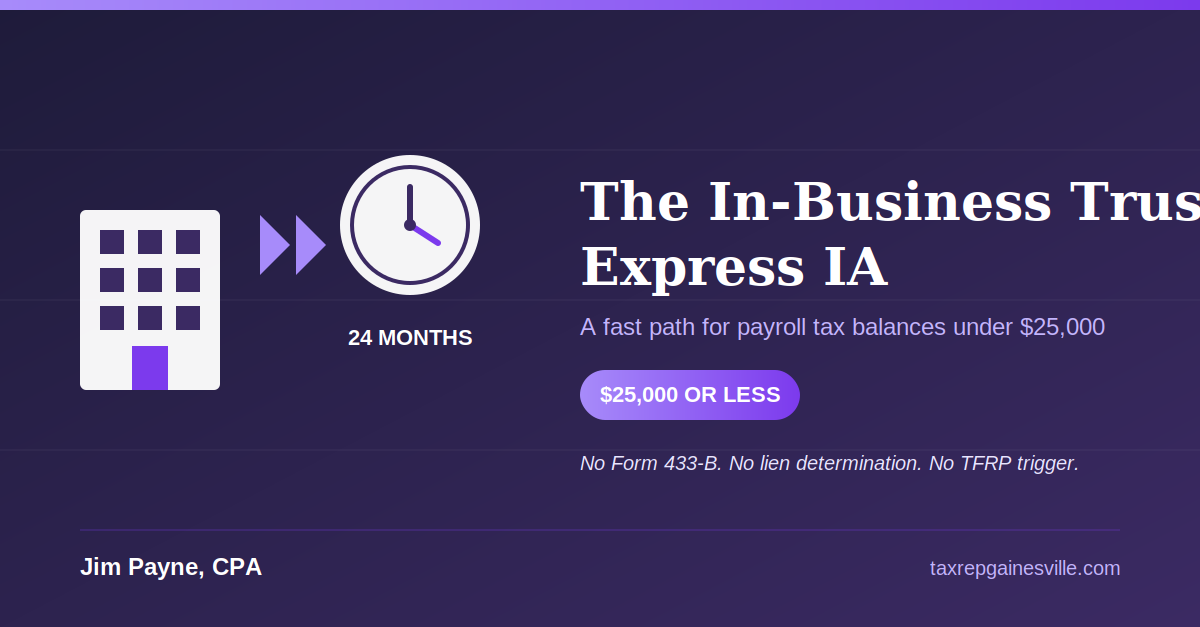
The In-Business Trust Fund Express Installment Agreement: A Fast Path for Small Payroll Tax Balances