Challenging an IRS Tax Error? A DATL Offer May Be the Solution

Getting an unexpected tax bill from the IRS is stressful enough — but it’s even worse when you’re convinced the amount is wrong. Maybe the IRS missed documentation, misapplied income, or assessed tax you never had the chance to dispute. When the problem is the accuracy of the tax, not your ability to pay it, a Doubt as to Liability Offer in Compromise (DATL OIC) may be the most effective solution the IRS offers.
A DATL OIC gives you a formal process to correct an incorrect assessment without filing an appeal, going to Tax Court, or paying the tax first. If you believe the IRS made a mistake, this could be your path to clearing it up.
What Is a DATL Offer?
A DATL Offer in Compromise is designed for one specific purpose: to resolve a legitimate dispute about whether you actually owe the tax assessed. The IRS defines this in IRM 8.23.7, which states that doubt exists when there is a genuine disagreement about the correct amount of tax under the law.
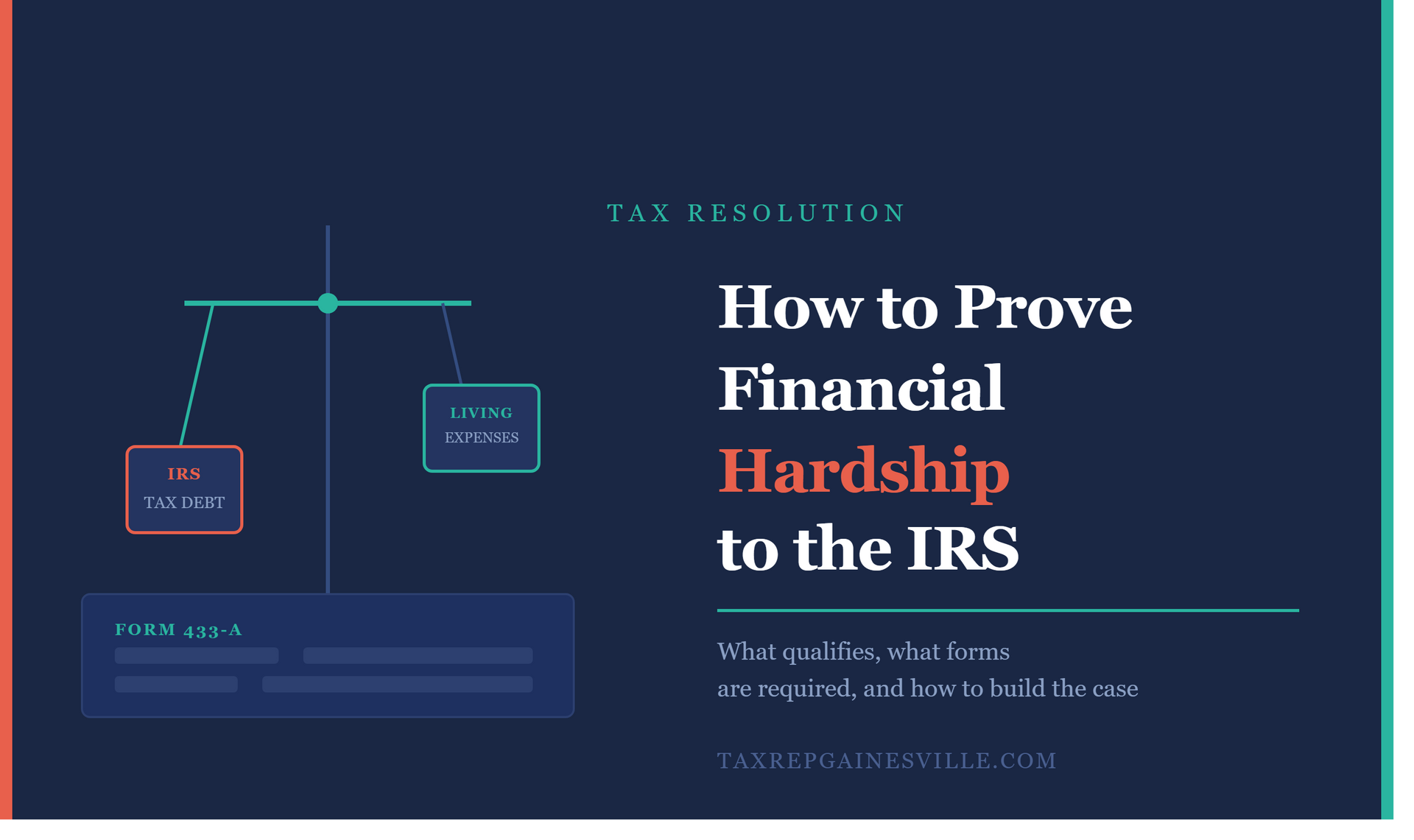
Unlike the more common “Doubt as to Collectibility” OIC, a DATL offer has nothing to do with financial hardship. You do not need to submit bank statements, pay stubs, or a Form 433-A. The issue is liability — not affordability.
When Should You Use a DATL OIC?
A DATL offer may be the right solution when:
- You never had the chance to dispute the tax.
Maybe the IRS sent audit notices to the wrong address or you missed deadlines. - You have new documentation that wasn’t previously considered.
For example, receipts or records that prove the IRS disallowed deductions in error. - The IRS made a factual or clerical mistake.
Misapplied income, incorrect reporting, or errors during examination. - There is a legal dispute about how the law applies to your situation.
- You want to resolve the issue without litigation.
A DATL offer is often far faster and far less expensive than going to Appeals or Tax Court.
Because DATL offers require real evidence of an incorrect assessment, they are far less common than collectibility-based OICs — most taxpayers use DATC offers because they’re unable to pay. But in the right scenario, a DATL is the perfect tool.
How a DATL Offer Works
The process is structured and straightforward:
- File Form 656-L (the dedicated DATL form).
- Provide a clear, detailed explanation of why the IRS’s assessment is wrong.
- Attach supporting documentation: receipts, corrected records, statements, expert letters, or legal citations.
- The IRS reviews the original exam file, your new materials, and determines whether the tax should be adjusted or reduced.
Unlike the standard OIC process, you do not pay an application fee or a down payment.
One important note: submitting a DATL OIC does not automatically stop collection unless the IRS chooses to halt it or you qualify for another protective status.
Final Thoughts
If the IRS assessed tax you don’t believe you owe, a DATL Offer in Compromise may be the most direct and cost-effective path to fix the problem. It’s designed specifically for correcting wrong assessments — and when backed by strong documentation, it can eliminate or reduce a tax debt you should never have had.
If you’re facing a questionable IRS assessment, a DATL offer might be the solution that puts things back on track.

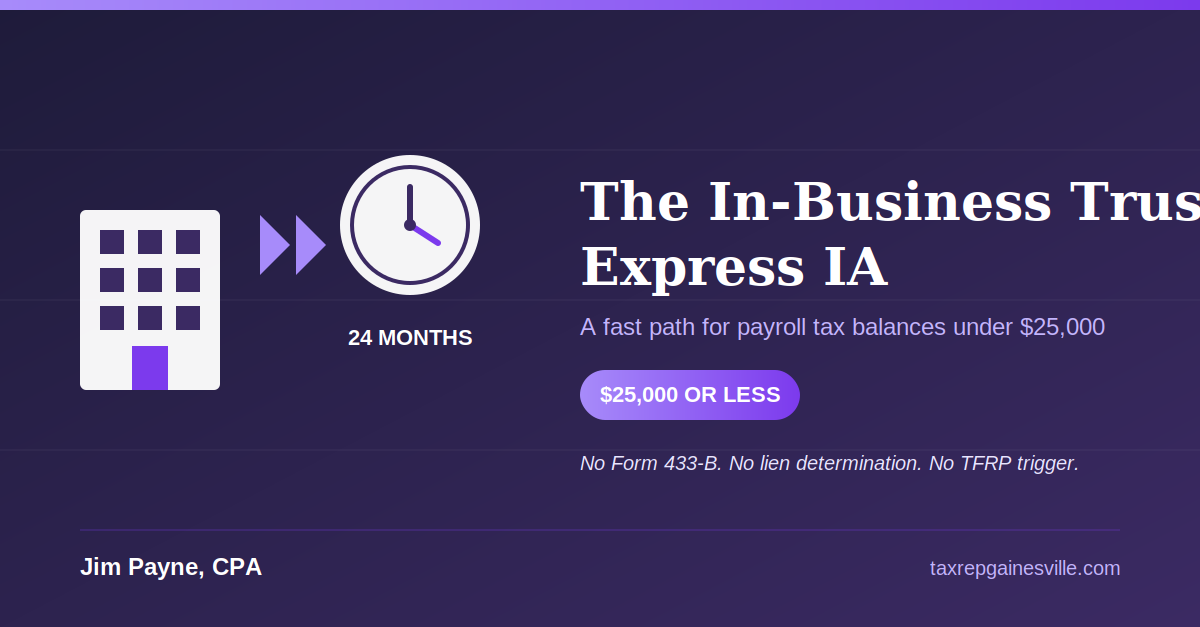
The In-Business Trust Fund Express Installment Agreement: A Fast Path for Small Payroll Tax Balances