IRS Collections and New Year Planning: What Smart Taxpayers Do Now
This is a subtitle for your new post

As the year wraps up and everyone starts thinking about resolutions and fresh starts, there’s one area most people overlook: IRS collections. But the truth is, the end of the year is one of the best times to get ahead of tax debt — before the IRS ramps up its notice stream and enforcement actions in the new year.
Smart taxpayers use this window to get organized, plan strategically, and position themselves for better outcomes with the IRS. Here’s what you should be doing now if you’re dealing with a tax balance or expect one in the upcoming filing season.
1. Review Your Year-End Financial Picture
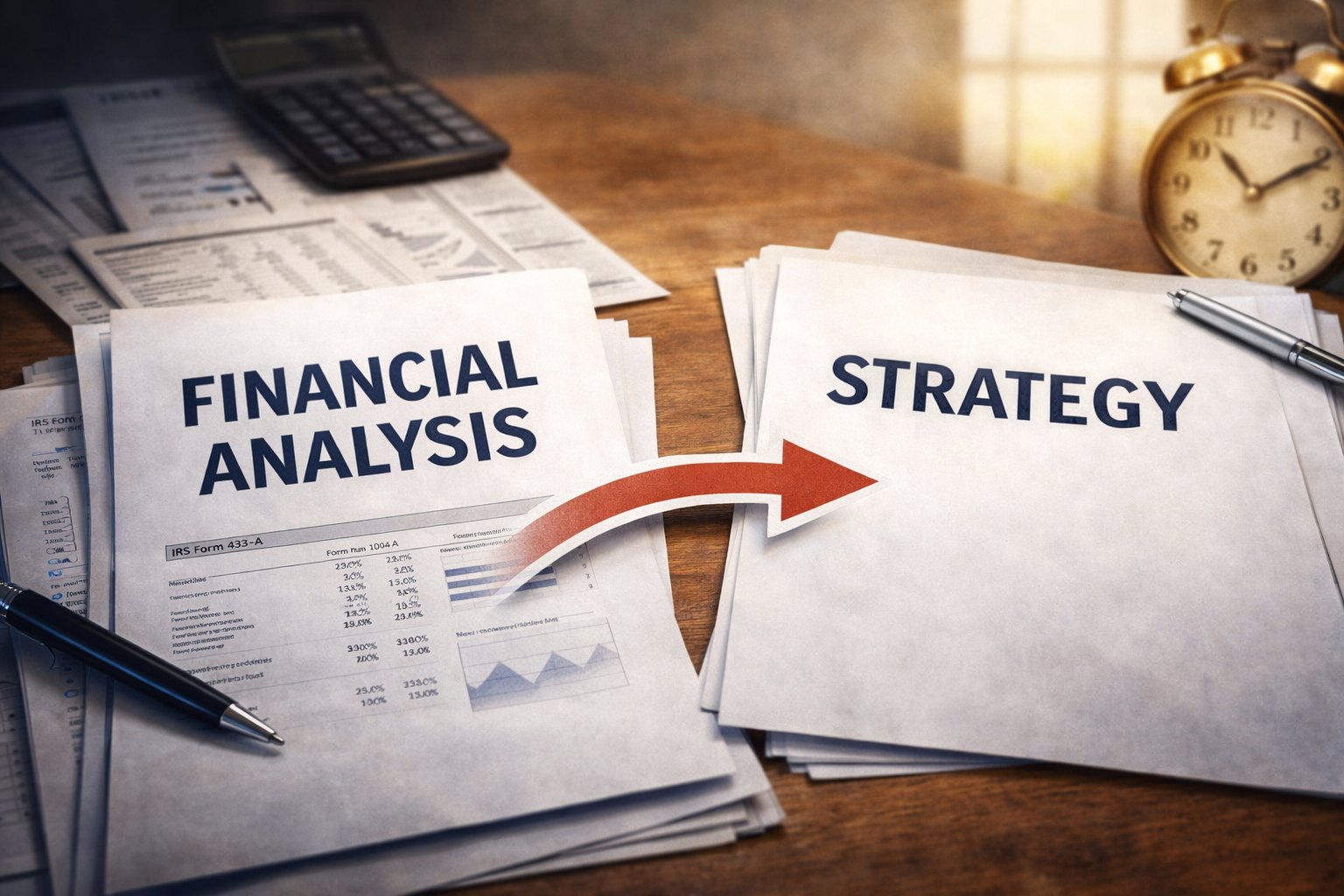
The IRS bases many collection decisions on your current ability to pay, guided by IRM 5.15 (Financial Analysis Handbook). That means year-end is the perfect time to:
- Update income and expense totals
- Document necessary living expenses
- Review bank balances
- Gather proof of medical, childcare, or other necessary costs
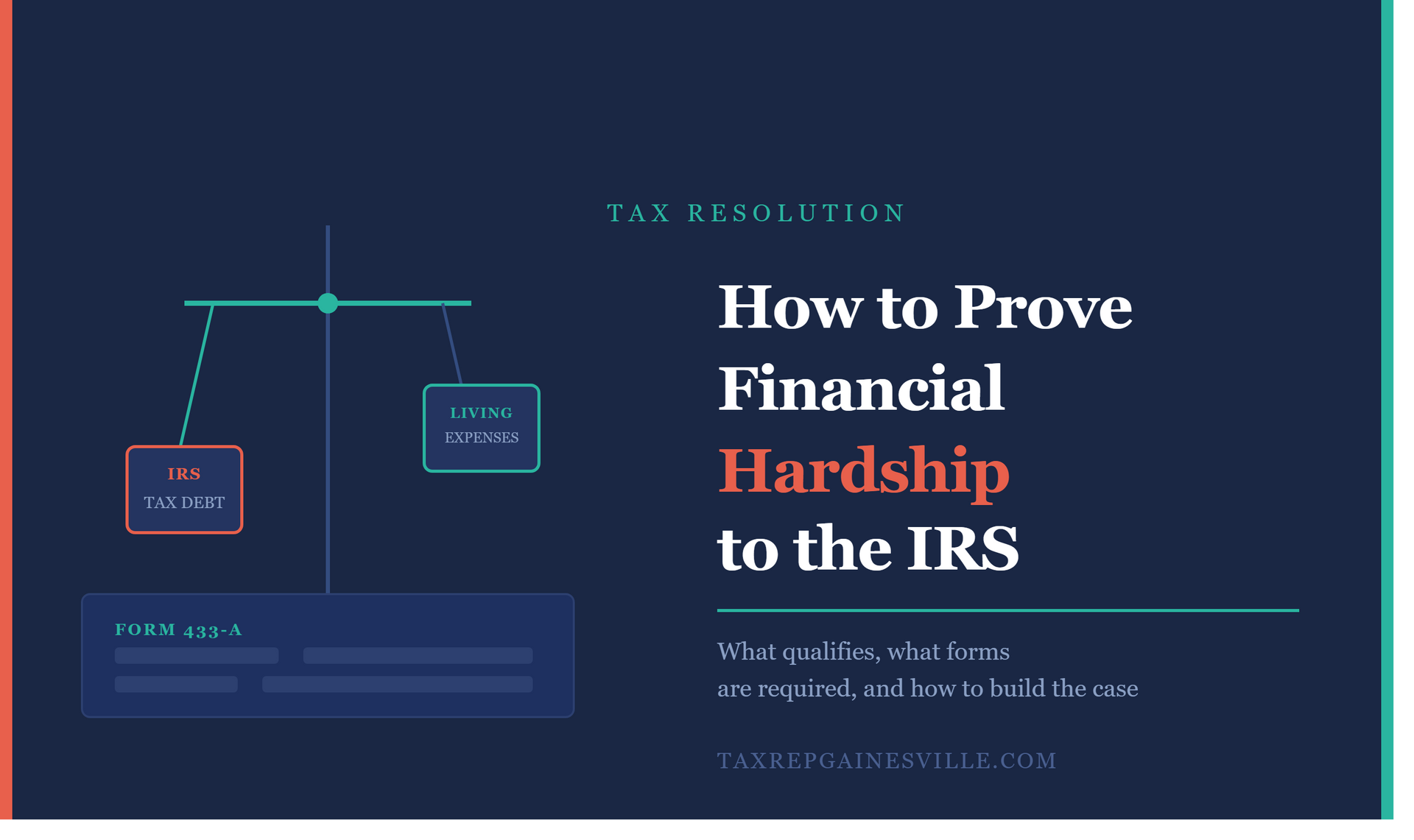
If you’ll need to submit a Form 433-A or 433-F early next year, preparing now puts you ahead of the game.
2. Consider Whether You Qualify for Currently Not Collectible (CNC) Status
If your finances took a hit this year, you may qualify for CNC status — meaning the IRS temporarily pauses active collection.
Year-end is an ideal time because:
- Income may be lower
- Seasonal expenses are higher
- Medical or family costs often spike
CNC determinations rely heavily on allowable expenses and your net disposable income. If you’re close to qualifying, December’s financial realities may support your case better than January’s tighter numbers.
IRM reference: IRM 5.16.1 – Currently Not Collectible
3. Plan Ahead for an Offer in Compromise (OIC)
If you’re considering an Offer in Compromise next year, your Reasonable Collection Potential (RCP) — the number the IRS uses to judge your offer — may be influenced by year-end decisions.
Smart planning might include:
- Paying down secured debt
- Using year-end funds for necessary expenses
- Reducing cash-on-hand before the “snapshot” used for your OIC
- Handling one-time expenses before filing
IRM reference: IRM 5.8.5 – Financial Analysis for OIC
4. Resolve Small Balances Before the IRS Notice Stream Resets
Every January, the IRS begins a fresh wave of CP14, CP501, CP503, and CP504 notices. Even small balances can escalate into levy territory if ignored.
If you owe a manageable amount, paying it before December 31 can:
- Stop collection notices
- Prevent future penalties
- Keep you out of the automated collection system altogether
IRM reference: IRM 5.19.2 – Notice Stream
5. Understand the Impact of Year-End Bonuses and Withholding
Many taxpayers receive holiday bonuses or extra year-end income. That affects:
- Your total tax due
- Whether your balance grows next April
- Your monthly payment capacity for Installment Agreements
- Your RCP for an Offer in Compromise
A smart move may be adjusting withholding now to reduce the chance of a new balance due for 2024.
6. Protect Yourself from Bank and Wage Levy Timing Issues
Although IRS personnel aren’t issuing levies on holidays, automated collection systems don’t rest. The 21-day bank levy hold and continuous wage levies continue whether it’s Thanksgiving, Christmas, or New Year’s.
If you’re already under a levy or close to it, take action before the holiday period.
IRM reference: IRM 5.11.4 (Bank Levies) & 5.11.5 (Wage Levies)
Final Thoughts
Smart taxpayers don’t wait until January to deal with IRS collections. They use November and December to get their financials in order, evaluate their options, and make strategic moves before the IRS begins a new enforcement cycle.
Whether you're considering CNC, an Installment Agreement, an OIC, or just trying to avoid the next round of notices, year-end planning can make the difference between a stressful tax season and a manageable one.
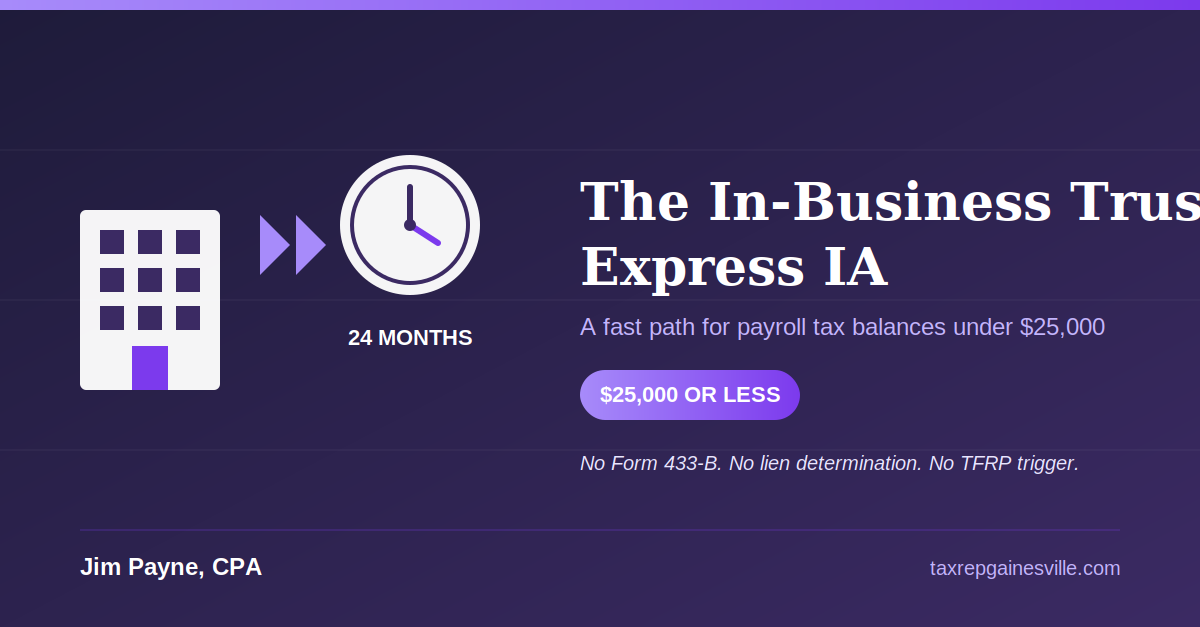
The In-Business Trust Fund Express Installment Agreement: A Fast Path for Small Payroll Tax Balances